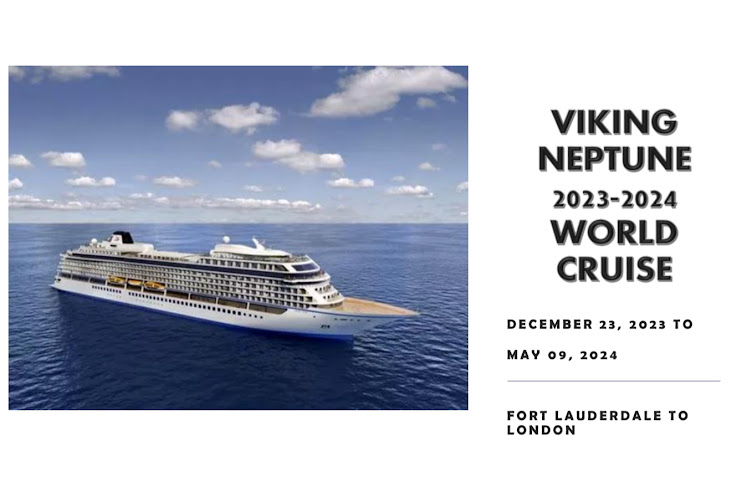
New itinerary

New itinerary

Wednesday, February 7, 2024

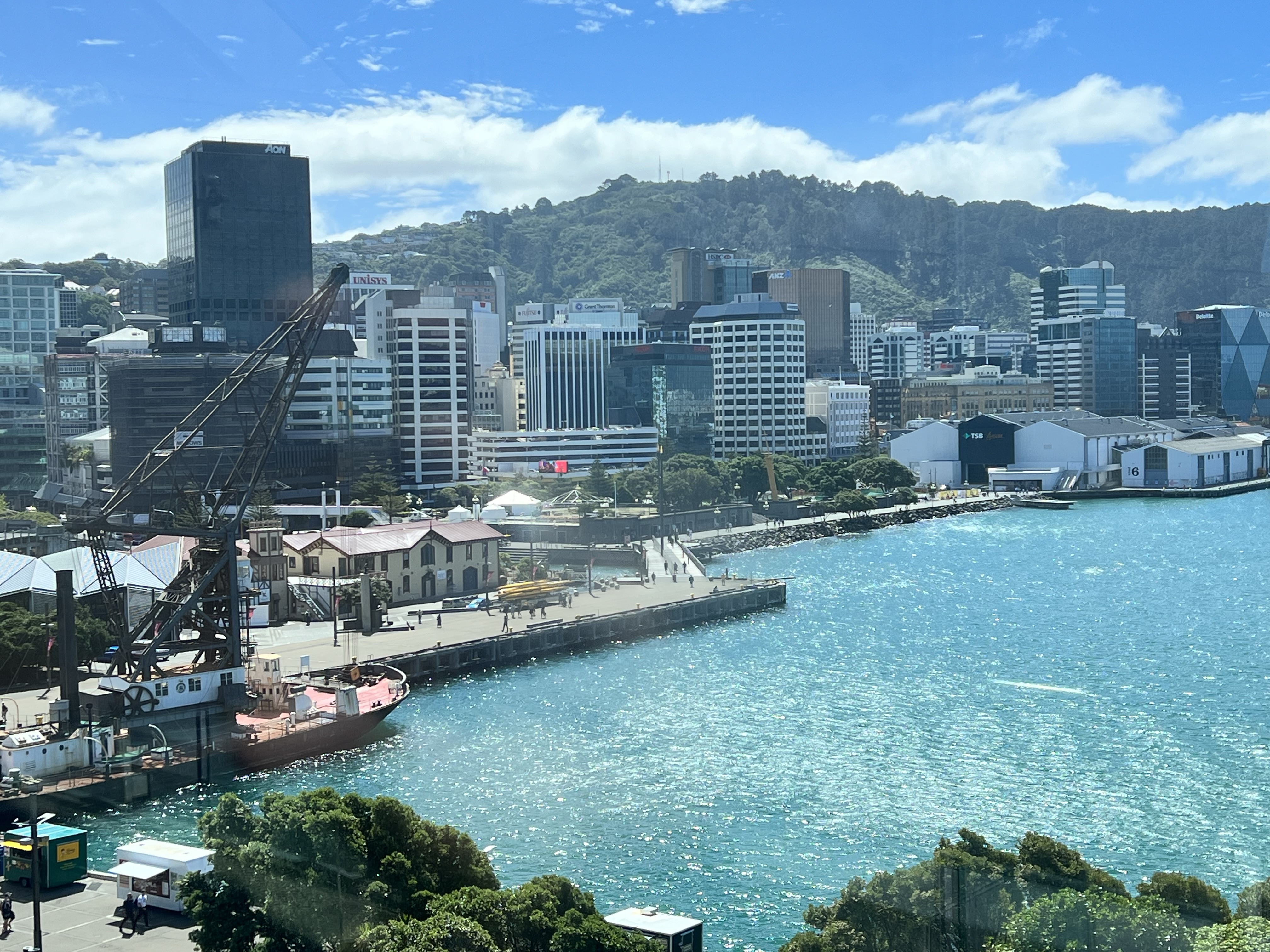
Wellington, New Zealand


Hailed by many as the "coolest little capital in the world," Wellington, the capital of New Zealand, enjoys a splendid setting. Nestled at the southwestern tip of the North Island, it enjoys views of Cook Strait and the Rimutaka Range.  The world's southernmost capital city of an independent nation, Wellington's history is embodied in its rich collection of architecture, from classic weatherboard wooden cottages and the clean lines of art deco to Edwardian and postmodern wonders. The city's neoclassical Parliament House stands out and is listed as a Heritage New Zealand building for its history and cultural significance. The city hosts an array of arts and cultural institutions, including museums, symphonies, ballet and film.  The city is also known for its wind.


The Wellington Wind Scale 


Funicular Up to the Rose garden


I had a really rough night last night so I spent the morning lounging. Then spent the afternoon in my favorite place knitting. Tonight we had dinner in Manfredi’s with Duncan and Melinda. Dinner was very lovely.  We retired early as tomorrow is a work day. 


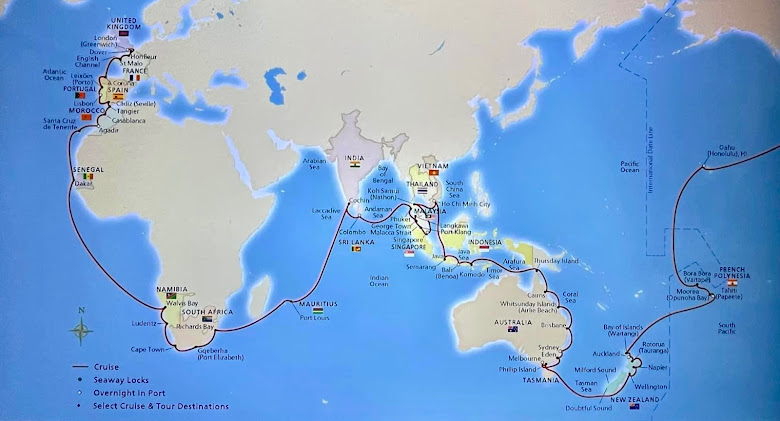
We have changed our coarse from going around the South Island, across the Tasman Sea in order to avoid some nasty weather. Instead, we are crossing between the north and south islands through the Cook Strait into the Tasman Sea two days earlier than expected. We lose stops in Milford and Doubtful Sounds.  I’m all for avoiding 20 seas!  We have experienced this before and it wasn’t fun!


Sail away 

A sore knee does not stop Michael. While I was lounging this morning, he went out t in downtown Wellington. I have been here many times before, so it was nothing new, but it was a beautiful morning and a chance to get out. In the afternoon, I went on a three hour excursion, which included a brief tour of the city but more importantly, two hours at Wellington’s incredible Te Papa museum.  This is a world class museum. Some of the exhibits include Australia’s role in World War I (Gallipoli), the history of the Māori people, earthquakes, volcanoes, dinosaurs, some incredible art, all packaged in a beautiful new building. I was truly impressed and I will definitely come back to this museum again. 


Māori boat

Replica of a Maori community house 

2x life size replica of soldiers during WWI


Tuesday, February 6, 2024

Napier, New Zealand

Today is another late start to the day. We arrived in Napier at around 11 AM, an hour earlier than expected. I’m certainly starting to like these late morning starts as I can lounge around waiting for my meds to kick in and have my breakfast delivered by my devoted husband. A girl can certainly get used to this. We have had some wonderful weather and we continue to have wonderful weather. Pleasant temperatures in the 70s and lots of sun.

Today was Waitangi Day, a national holiday celebrating the day the Māori and British signed the treaty in 1840.  People were out fishing and picnicking in the park, but no one goes in the water because the undertow is too great. The sand is black volcanic ash, and doesn’t look very appealing to sit on.

We were able to get on an earlier bus to Hawkes Bay wine tasting. This wine tasting event was only offered to Viking, and no other cruise line. It was housed in an old country lodge that was used when people in the country came to town. It was more like a gentleman‘s club. Beautiful woodwork.  There was even shoe polish in the gentleman bathroom!  The Hawkes Bay region of Napier is known for its wineries. There was wine tasting both inside and outside. There must’ve been 25 different types of wine to sample. Michael found a wine that he fell in love with at dinner in Auckland and plans on buying a case of it when we get home. I went back to the ship, and Michael went walking around town even though his knee was hurting him. I was resting up for the next excursion for the day, which was a tractor, dressed up as a rail engine, pulling two very beautiful converted railcars.  

These cars were lovingly restored over a two-year period. We got quite a good tour of Napier and went up and around and around some more and then stopped at an old custom‘s house where we were told some of the history of the town. In 1931, there was a great earthquake that destroyed the town, and it was subsequently rebuilt in the art deco style.  I have taking a lot of excursions over the years, and I have to say that this one was one of the best I’ve ever been on.

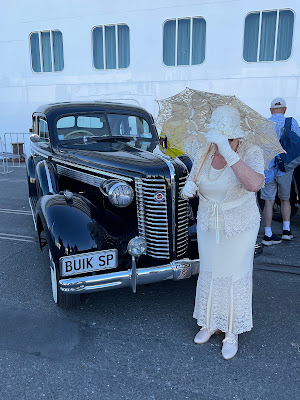
The residents are very proud of what they have built. There are no chain stores with the exception of the one Starbucks. The stores were all locally owned.  You can feel the sense of pride in this community. At the dock, residents brought down their vintage cars and were dressed in appropriate attire for that era.  There was also a small band playing. I must say, this has been a most wonderful stop and wished we had more time to spend here.

Below is a description of some of the history and importance of Napier from Wikipedia. I learned a lot today, but can’t remember at all so I thought this would be the best way to share some of the interesting information about this area.

Napier (/ˈnpiər/ NAY-pee-ərMāoriAhuriri) is a city on the eastern coast of the North Island of New Zealand and the seat of the Hawke's Bay region. It is a beachside city with a seaport, known for its sunny climate,[3] esplanade lined with Norfolk pines, and extensive Art Decoarchitecture. Napier is sometimes referred to as the "Nice of the Pacific",[4][5] although that is largely outdated and a more common nickname is 'The Art Deco Capital of the world'.

The population of Napier is about 67,500 as of June 2023.[2] About 18 km (11 mi) south of Napier is the inland city of Hastings. These two neighbouring cities are often called "The Bay Cities" or "The Twin Cities" of New Zealand, with the two cities and the surrounding towns of Havelock North and Clive having a combined population of 136,290. The City of Napier has a land area of 106 km2 (41 sq mi) and a population density of 540.0 per square kilometre.

Napier is the nexus of the largest wool centre in the Southern Hemisphere, and it has the primary export seaport for northeastern New Zealand – which is the largest producer of apples, pears, and stone fruit in New Zealand. The Hawke's Bay wine region is now the second largest in New Zealand after Marlborough, and grapes grown around Hastings and Napier are sent through the Port of Napier for export. Large amounts of sheep's wool, frozen meat, wood pulp, and timber also pass through Napier annually for export. Smaller amounts of these materials are shipped via road and railway to the large metropolitan areas of New Zealand itself, such as Auckland, Wellington and Hamilton.

Napier is a popular tourist city, with a unique concentration of 1930s Art Deco, and to a lesser extent Spanish Mission, architecture, built after much of the city was razed in the 1931 Hawke's Bay earthquake. It also has one of the most photographed tourist attractions in the country, a statue of the figure in local Ngāti Kahungunu mythology, Pania, on Marine Parade, Pania of the Reef. Thousands of people flock to Napier every February for the Tremains Art Deco Weekend event, a celebration of its Art Deco heritage and history.[6] Other notable tourist events attracting many outsiders to the region annually include F.A.W.C! Food and Wine Classic events, and the Mission Estate Concert at Mission Estate Winery in the suburb of 

The Band on the dock 

Buick special 


One of many art deco buildings 


A beautiful roadster 

The Hawke’s Bay Express

Wine tasting venue

Interesting art deco buildings 

Monday, February 5, 2024

Rotorua (Tauranga), New Zealand

Nestled on the Bay of Plenty, the port of Tauranga is watched over by the dramatic Mt. Maunganui, an extinct volcano that helped shape the spectacular region of white sand beaches and azure waters. The Māori arrived here in the 13th century, followed by the British 600 years later. Today the city is home to a thriving, cultural scene and stunning vistas of mountains rising from the surrounding waters. Tauranga is best known as the gateway to the bubbling mud pools and thermal fields of Rotorua. This area is also a summer resort with many high-end homes along Marine Drive facing the Pacific Ocean. 

Pacific Ocean 


Mt. Maunganui

Again, we had a leisurely morning as we didn’t arrive in Port until around 11 AM and our tour wasn’t until noon. I like the fact that there was no rushing to get ready. I will admit to the fact that I also enjoy having my breakfast brought to me each morning by my dear husband.  Mornings continue to be difficult, but I am like a willow tree – – I may bend, but I never break. So I soldier on.

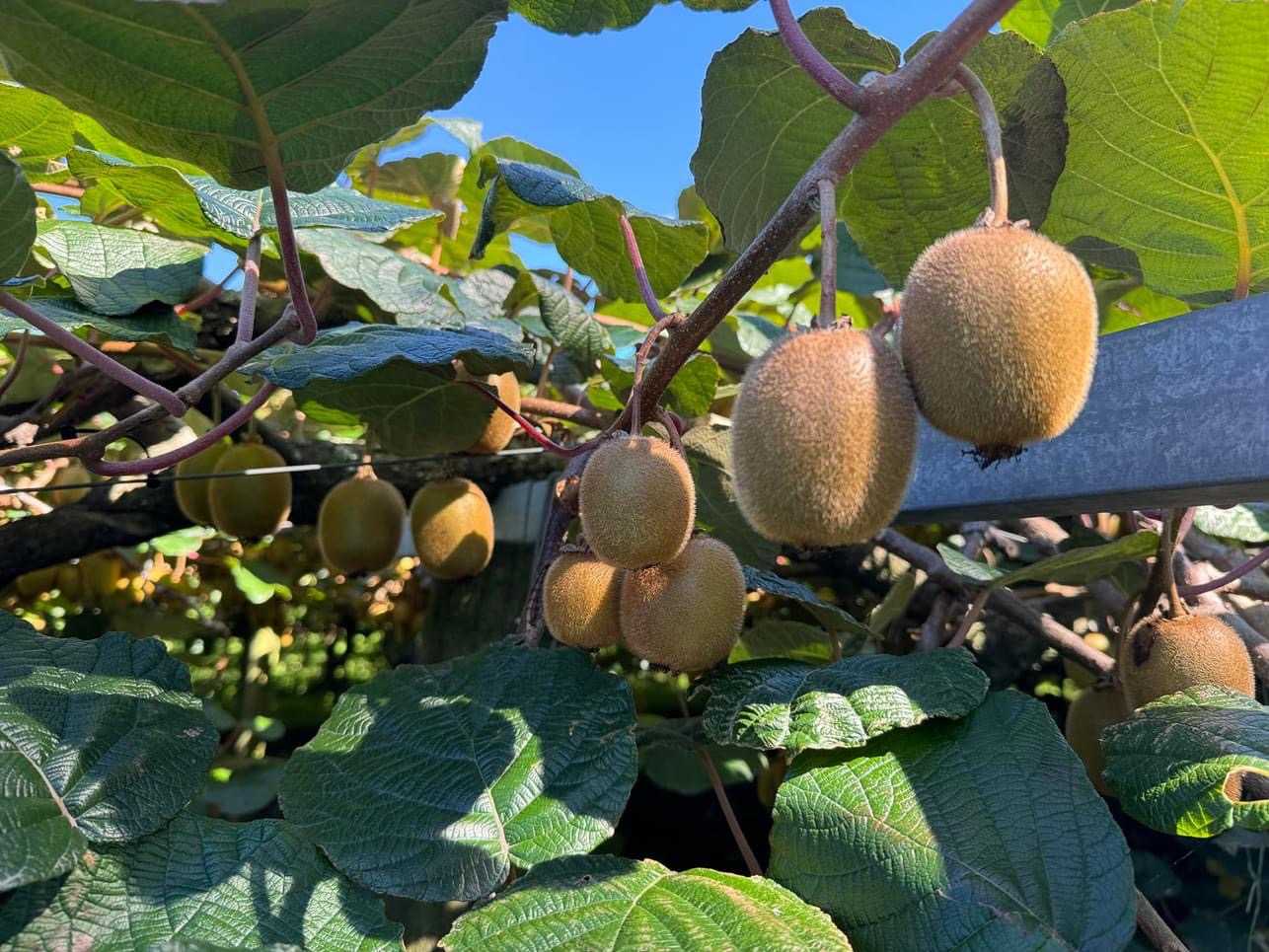
Today’s excursion was a panoramic tour of the area. We had a very knowledgeable guide, and really enjoyed taking in the view of the countryside. It was quite astounding that in this area there’s so much agriculture, and the big thing here is the kiwi. Did you know there are three kinds of kiwis? There is the green kiwi that everyone knows, there is a gold kiwi, and now they are developing a ruby red kiwi especially for the Japanese market. During harvest season, which is March-May, 25,000 workers are brought in to handpick the kiwis.  Kiwis are New Zealand’s second largest export; the largest export is dairy— milk powder, goat cheese, and concentrated milk—$19 billion per year. 

In fact, the kiwi industry has gotten so large that they are now developing a huge industrial park just for dealing with kiwis, and to support the industry, people need housing, so they are building an incredible number of homes.

We stopped at a Māori community center to sample The different types of kiwis, as well as kiwi wine. Who knew? Michael said it wasn’t bad. There was soap, lotions, jams and jellies also made from kiwis for sale.  There was a local group performing a show about Māori culture.


Kiwis in the vine

No time to play

It was pretty windy when it was time for the ship to pull away from the dock so we had two tugboats pulling us off the dock.  These tugboat operators sure know what they’re doing and it’s amazing that the lines don’t snap under all that pressure.

Saturday, February 3, 2024

Auckland Day 3

What do you do when you overdo it? You do it again! The last couple of days Michael has walked 7 or 8 miles and he said his feet were killing him. I told you my story yesterday. But today was such a gorgeous day. there is no way we were going to stay inside. So, taking my trusty sticks along, we left the ship and walked along Queens Way, which is now a pedestrian street. There are a lot of high-end clothing stores and shops.  

We hadn’t had lunch, so we ventured around and found a very unusual food court on the third floor of an office/retail building.  There were many different ethnic type stalls, offering all different kinds of food, but the majority of them seem to be Asian.  We ate at the Vietnam Street Food stall and had a very interesting and delicious lunch.

A chicken sandwich; it was so big I couldn’t finish it. 

Pho soup


The Neptune is in the background 

Being a little cautious and being prudent, we returned to the ship to rest up. We have several more port days coming up so we may need to be available to do excursions.  We normally don’t have time to do 4 PM teatime so We are taking advantage of it today. We are sipping our tea, eating freshly baked scones and listening to absolutely gorgeous music. I’m also knitting, so what could be better?

See the musicians in the background 

Rose tea with hint of vanilla 


Knitting and singing along with the music 

We had dinner on the back deck at sail away. The sun was shining warm and bright, and there was a gentle breeze.  We enjoyed friendship over a light dinner as no was really hungry. I think we are all tired of eating.  Do you know what to do when you have an hour and a half to chill between dinner In the evening show? Well, I did more knitting and Michael read until his iPad ran out of juice. By this time we were able to go and get a seat in the show room which was already crowded.  

The entertainer was a fellow from Australia, Bradley McCaw, who sings and plays piano rock ‘n’ roll style. He had the whole crowd going, and he was an outstanding entertainer. It brought me back to the days when I was young. I just sat there for 45 minutes and thoroughly enjoyed listening to the sound and singing along to the tunes we grew up with. I would be happy if he put on a show every night.


Auckland Day 2

 After having a massage the day before and a pretty rapid walk for 1.3 miles yesterday, I woke up today in quite a bit of pain. In fact, I didn’t sleep very well due to the pain (especially my right leg).  So this morning Michael very quietly got ready and left for an excursion while I was able to finally fall asleep for a few hours before facing the rest of the day.

The weather turned today, and we had gusty winds that were more like standing in front of the world’s largest fan that is blowing on you at high-speed. And I was having such a good hair day today, too! And today was the first time since Santa Barbara that I actually wore jeans. The temperature got up to about 70° but with the wind it felt so much chillier and there were intermittent rain showers. Unbelievable, we never got rained on today.


Michael had an excursion to the Wětä workshop where one is able to experience the secrets of movie special effects. According to the description, this is where you will explore interactive, make-believe film sets that unveil three fantasy worlds featuring animatronics and prosthetics created on a horror set, stunning light displays, and a Galactic robot from a sci-fi set. Learn about the creative processes.  He said he was bored with the whole thing, but I think it sounded pretty interesting.


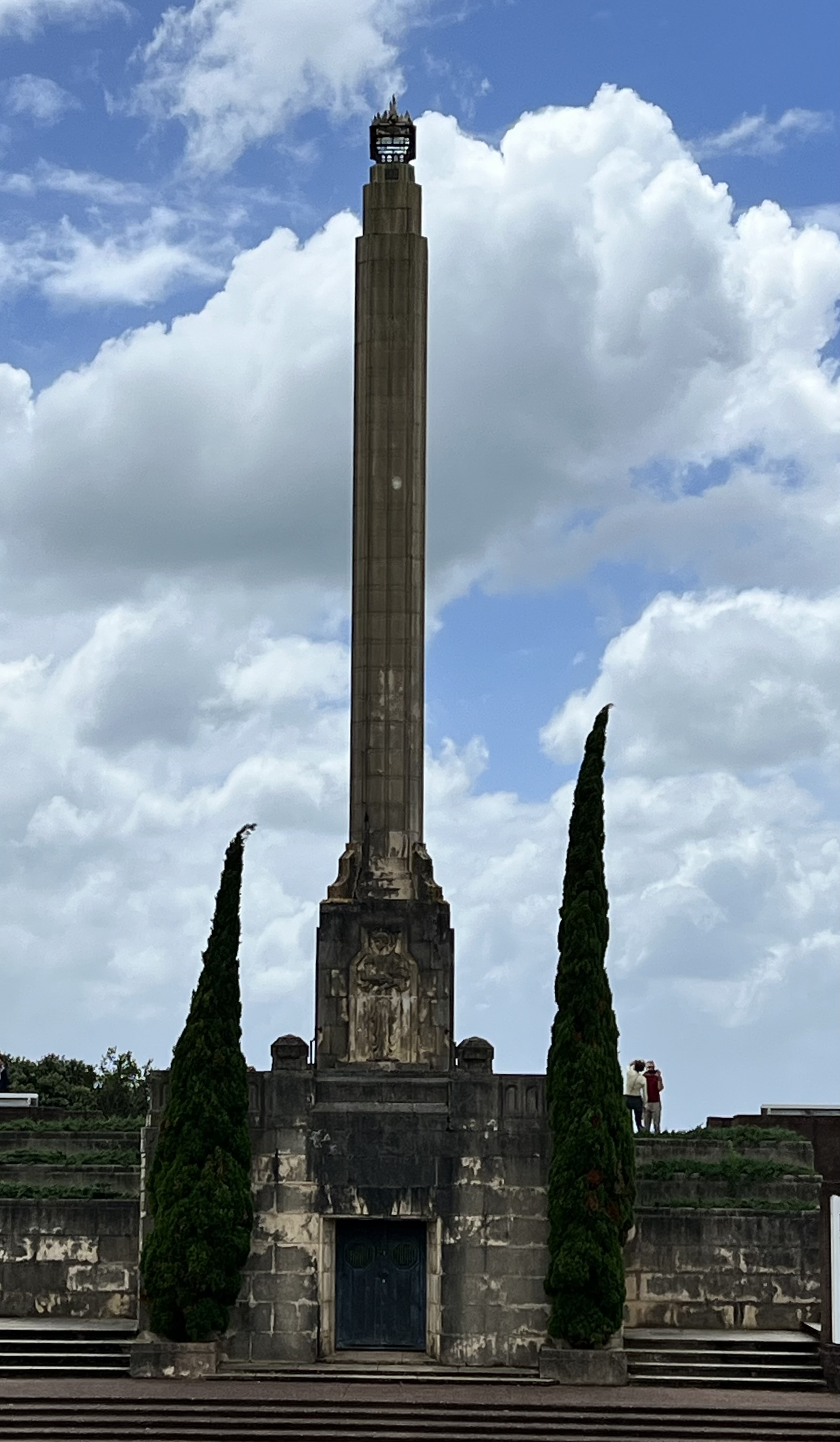
He returned in time for us to take  the panoramic tour. We drove around some of the outlying residential areas, along the waterfront, up to the One Tree Hill obelisk memorial, and then to the Auckland Museum.


The One Tree Hill obelisk is one of the most distinctive landmarks in Auckland. It rises 100 feet above the summit that it sits on.  In accordance with the will of the late Sir John Logan Campbell, who visualized and desired that a towering obelisk should be erected on this site, the summit of Maungakiekie as a permanent record of his admiration for the achievements and character of the great Māori people. It was constructed in 1940.


We had 1.5 hours to visit to the Auckland Museum. It’s a very interesting and beautiful building and had a war museum on one whole floor dedicated to principally World War II as well as other wars. Michael enjoyed seeing the Spitfire aircraft and a German V2.  I looked at a few things, including an exhibit of a sperm whale’s lower jaw, which was huge.


And back to the ship we went merrily blowing our way home. We had fried chicken for dinner (not the best, but not that bad) and then went to the Star Theater to see a local show put on by Māori dancers.


Friday, February 2, 2024

Auckland Day 1

If I couldn’t live in the United States, New Zealand is where I would live.  The kiwis are friendly and they treat Americans well.  Auckland is based around two large harbors, and is the major city on the north island. Auckland is known as the “City Of Sails.”  Auckland has more boats per capita than any other city in the world. Driving over and around the large harbors, you will see hundreds of sailboats. It has a population of about 1.65 million.  The city is built on one of the world's youngest volcanic fields; Auckland is dotted with over 50 volcanoes. The weather is subtropical, which has a rather moderate climate throughout the year.  These images are not mine. 


Today was the day that I took some of my knitters shopping. There is a shop that I have been to several times and unfortunately she moved out of the downtown area so we took an Uber to her new location. As we were leaving, the owner was extremely happy and said we made her month and today is only the second day of the month. My knitters did me proud.  I also helped out a little bit!  The two smaller balls are possum/cashmere and the two larger ones are possum/merino.  The possums in New Zealand are different than the possums in the United States.

OpossumPossum
Opossums are found in many different regions across the North American continent, including parts of the USA and Canada.Possums can be found in places like Australia and New Zealand. 
Opossums are usually about three feet long and weigh approximately 9 to 10 pounds.Possums are a little bit smaller than opossums, clocking in at about 6 to 7 pounds on average.
It is very common for opossums to play dead when experiencing a significant level of fear. It’s less common for possums to play dead, mainly because they don’t experience the same level of fear as opossums. 
Opossums have very little fur on their tails and can sometimes even have completely bare tails. Possums usually have furry tails, a major contrast when compared to an opossum.


Michael did not have any excursions today so he went walking around town and wound up walking over 5 miles. He wore himself out but had enough energy to walk another 1.3 miles to dinner and back. 

The food on Viking is good, but sometimes you need to check out the local scene.  We were a group of six — Dennis and Cheryl and Kathleen and Tom plus us. It was very windy so we wore our cruise jackets for the first time during this cruise. On a suggestion, we went to Soul Bar and Bistro and had a fabulous meal. Most of us had rack of lamb. However, the winos raved about the wine and couldn’t believe the price—very low markup!  Everyone was happy. 


Thursday, February 1, 2024

Waitangi, Bay of Islands, New Zealand

Everyone was excited to see land again. The fifth sea day was quite rough and it was such a pleasure not to be rocking around. Waitangi is located on the extreme northern tip of New Zealand.  So why is this little seaside village so important?

The treaty of Waitangi, sometimes referred to as TE TIRIT is a document of central importance to the history of New Zealand, its constitution, and its national mythos. It has played a major role in the treatment of the Māori people in New Zealand by successive governments in the wider population, something that has been especially prominent from the late 20th century.  The treaty was signed on February 6, 1840 by representatives of the British Crown and various Maori chiefs from the north island of New Zealand.

This is the fourth time we’ve been here, maybe even five or six times can’t even remember, and we had a perfect day. Sunshine and 80° what could be better. Since I had been here so many times, I elected to stay on the ship, and get a massage and do some knitting.  Michael, who always has ants in his pants, couldn’t wait to get off the ship and took the tour one more time since it was such a beautiful day.  

We spent a few hours in the pool in the afternoon, had dinner, and went to the show tonight, which featured an outstanding violinist, who put on a great show.

Grounds of the mission house

The mission house — the oldest house in New Zealand 

The mission house

The pier at Waitangi

A waterfall was one of the stops

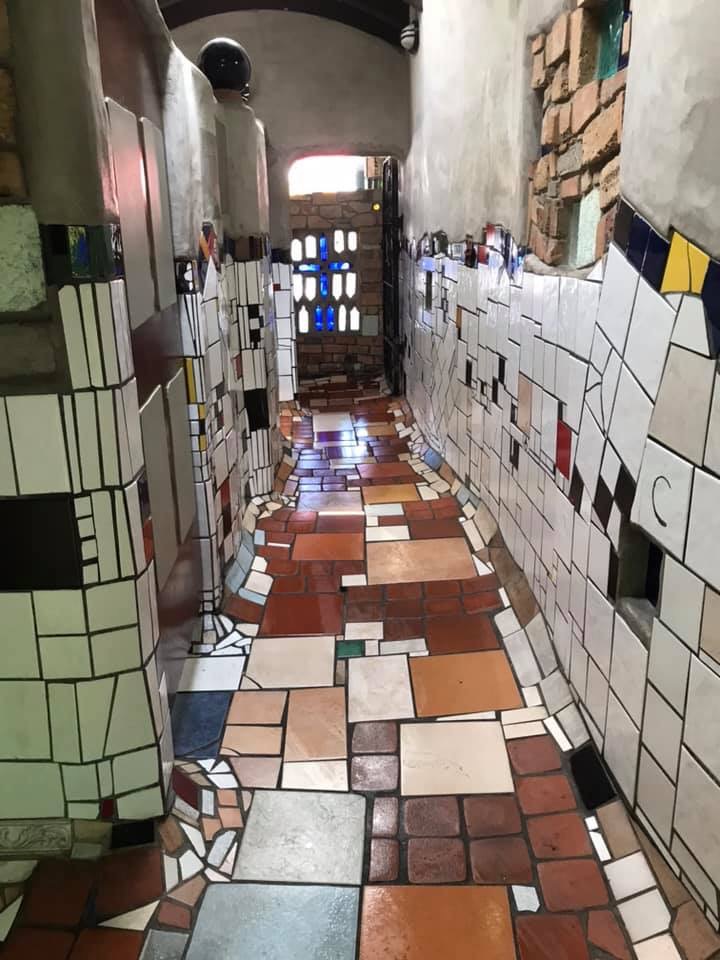
Now you’re not going to believe this, but one of the stops on the tour today was the public restrooms. Why would anybody stop for a visit other than to use it?  These toilets are known as Kawakawa Public toilets, a main attraction that is quirky and colorful public toilets designed by Austrian artist, Friedensreich Hundertwasser. He decided to make the country his second home and bought property and created this attraction in 1998.

Entrance

Ladies room

Men’s room

View from our veranda

Roy Theaker, the violinist